
Urgent and occupational care websites
Help people find the right clinic before they leave.
A visitor needs to know whether your location can help and when it is open. LikeStyle builds Foundry websites that make those practical answers easy to find.
Keep the details useful at the moment they matter.
A change in opening hours can affect a real visit. We help your team plan how location information is checked and updated, with responsibility for accuracy made clear.
01
Make location details clear
02
Explain what each clinic provides
03
Give employers a useful starting point
04
Prepare visitors for the next step
A site built around your work.
A visitor needs to know whether your location can help and when it is open. LikeStyle builds Foundry websites that make those practical answers easy to find.
Before someone gets in touch
Help visitors make an informed first step.
Make location details clear
Put current opening hours next to directions and the right phone number.
Explain what each clinic provides
Describe the services available at that location. Use clinic-approved guidance about when to seek care elsewhere.
Give employers a useful starting point
Explain occupational services separately so an employer can ask the right team about an arrangement.
Prepare visitors for the next step
Show approved visit instructions and explain what a request does or does not reserve.
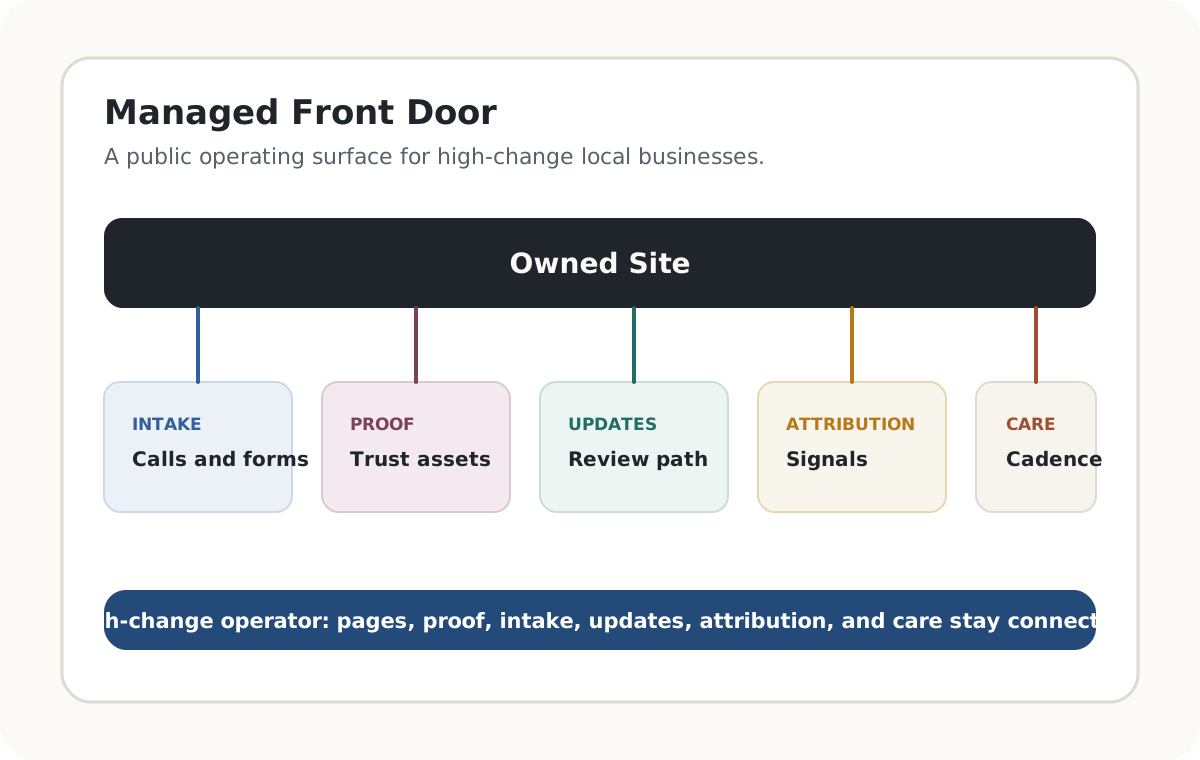
The website and any connected services have their own setup and responsibilities.
Working with LikeStyle
A website you can keep building on.
LikeStyle builds your site with Foundry. You keep the content and website source. We can also discuss ongoing care through our managed service, with the scope and costs agreed before work begins.
Start with a conversation about your site.
We agree what the work includes before beginning a project.
- 1
Tell us what needs attention
Send your website or describe the site you want to build. - 2
Agree the work
We discuss the scope and explain how the site will be maintained.
What to expect from the work.
The clinic supplies current service and access information. A website cannot guarantee wait times or provide emergency triage. Clinical systems and appointment arrangements need their own setup; they are not replaced by a general contact form.
Can a visitor tell which location to contact?
Send your website and the location pages you want us to review. Explain any questions your front desk keeps having to answer.